Longevity Design: An Integrated Approach to Long Life
Longevity Design: An Integrated Approach to Long Life
การออกแบบชีวิตยืนยาวแบบองค์รวม ในบริบทของกรุงเทพฯ เมื่อชีวิตยืนยาวไม่ใช่แค่เรื่องสุขภาพ คำว่า Longevity หรือ “ชีวิตที่ยืนยาว” ในปัจจุบันไม่ได้หมายถึงอายุยืนเพียงอย่างเดียว แต่รวมถึง คุณภาพชีวิตที่ดีในระยะยาว ซึ่งเกิดจากการออกแบบเมืองและพื้นที่อยู่อาศัยที่ตอบโจทย์ทั้งด้านสุขภาพ กาย จิตใจ สังคม และสิ่งแวดล้อม การพัฒนาเมืองจึงเปลี่ยนจากการรองรับเพียงการใช้งาน ไปสู่การ ส่งเสริมการมีชีวิตที่ดีตั้งแต่เด็กถึงสูงวัย แนวคิดนี้ได้รับการยอมรับจากแวดวงการวางผังเมืองและสาธารณสุขที่ผลักดันให้ “เมือง” มีบทบาทสำคัญต่อการมีชีวิตอยู่อย่างยืนยาวและมีคุณภาพของผู้อยู่อาศัย
1. Physical Health สุขภาพกายเป็นผลจากเมืองที่เดินได้และใช้งานง่าย
การออกแบบเมืองที่สนับสนุนการเคลื่อนไหวและการเดิน (walkable city) สามารถ กระตุ้นกิจกรรมทางกายและลดพฤติกรรมเฉื่อย ซึ่งเป็นปัจจัยเสี่ยงต่อโรค เช่น โรคหัวใจและเบาหวาน แนวคิด 15‑minute city ที่ทุกบริการจำเป็นในชีวิตประจำวันสามารถเข้าถึงได้ภายใน 15 นาทีโดยเดินหรือจักรยาน ถูกยกให้เป็นหนึ่งในโมเดลที่ส่งเสริมสุขภาพและคุณภาพชีวิตที่ดีในเมืองยุคใหม่ เพราะช่วยลดเวลาเดินทางและเพิ่มกิจกรรมทางกายในชีวิตประจำวัน
2. Mental Well‑Being สุขภาพจิตดีขึ้นจากธรรมชาติและพื้นที่ผ่อนคลาย
นอกจากสุขภาพกายแล้ว สุขภาพจิต ก็เป็นตัวชี้วัดคุณภาพชีวิตที่สำคัญไม่แพ้กัน เมืองที่มีพื้นที่สีเขียว สวนสาธารณะ หรือธรรมชาติอยู่ใกล้ชิดกับผู้อยู่อาศัยมีผลลดระดับความเครียดและความเสี่ยงในการเกิดภาวะซึมเศร้า ผลจากการศึกษาภายใต้โครงการ Urban Mind พบว่าผู้อยู่อาศัยที่อยู่ใกล้พื้นที่สีเขียวมีแนวโน้มเสี่ยงต่อภาวะซึมเศร้าต่ำกว่า และแม้เพียงแค่สามารถมองเห็นต้นไม้หรือได้ยินเสียงนกร้องก็ช่วยส่งผลดีต่อสุขภาพจิตได้เช่นกัน ทั้งนี้ผลการวิเคราะห์เชิงระบบยังพบว่า การเชื่อมต่อกับธรรมชาติและพื้นที่สีเขียวมีผลต่อความเครียด ความกดดันทางจิตใจและการฟื้นฟูสมดุลของร่างกาย ซึ่งเป็นคุณสมบัติที่ Longevity Design ต้องให้ความสำคัญในระดับองค์รวม
3. Social Connection เมืองที่มีความสัมพันธ์ทางสังคมยืนยาวขึ้น
ความสัมพันธ์ทางสังคมและการมีชีวิตอยู่ในชุมชนที่เป็นมิตรมีผลต่อทั้งสุขภาพจิตและสุขภาพกาย การออกแบบเมืองที่มี พื้นที่พบปะชนและพื้นที่สาธารณะใช้งานง่าย ช่วยสร้างโอกาสให้ผู้คนพบปะ พูดคุย และสร้างเครือข่าย ซึ่งมีผลดีต่อคุณภาพชีวิตในระยะยาว งานวิจัยด้านพื้นที่ชุมชนของไทยชี้ว่าคุณลักษณะเฉพาะของพื้นที่ เช่น พื้นที่เดินได้ ความรู้สึกสบาย และการเชื่อมโยงทางกายภาพ เป็นตัวกำหนดว่าชุมชนจะมีการปฏิสัมพันธ์ทางสังคมเกิดขึ้นหรือไม่ ซึ่งเป็นปัจจัยที่ส่งเสริมการอยู่อาศัยและความเป็นอยู่ที่ดีของคนในเมือง
4. Environmental Quality เมืองดีเริ่มจากสิ่งแวดล้อมดี
ปัจจัยด้านสิ่งแวดล้อมในเมือง เช่น การเข้าถึงพื้นที่สีเขียวและอากาศที่ดี มีผลต่อการมีสุขภาพที่ดีอย่างยั่งยืน การศึกษาทั่วโลกยืนยันว่าพื้นที่สีเขียวในเมืองสามารถ ลดความเสี่ยงจากการเจ็บป่วยและปรับสภาพแวดล้อมเชิงสุขภาพให้ดีขึ้น ซึ่งสอดคล้องกับนโยบายพัฒนาเมืองยั่งยืนระดับสากล ในมุมมอง Longevity Design สิ่งแวดล้อมที่ดีไม่ได้หมายถึงพื้นที่สีเขียวเพียงอย่างเดียว แต่หมายถึง การออกแบบเมืองที่ลดมลภาวะ เปิดรับธรรมชาติ และใช้ทรัพยากรอย่างมีประสิทธิภาพ เพื่อให้เมืองสามารถสนับสนุนชีวิตคุณภาพสูงได้นานที่สุด
Longevity Design in Residence
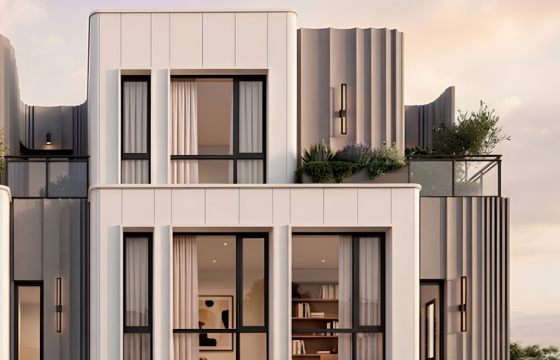
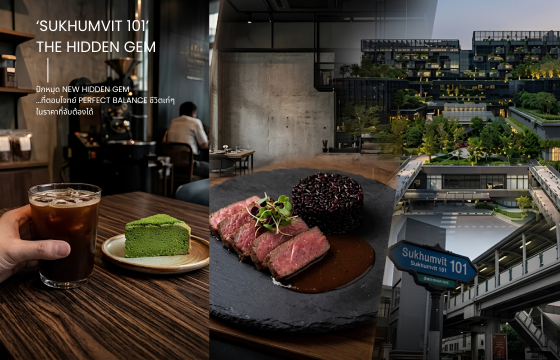
การเลือกที่อยู่อาศัยไม่ได้หมายถึงเพียงแค่ความสะดวกสบาย แต่หมายถึงการสร้างสภาพแวดล้อมที่ส่งเสริมสุขภาพ กาย ใจ สังคม และสิ่งแวดล้อมอย่างครบวงจร โครงการ The Rev สุขุมวิท 101 จึงนำแนวคิด Longevity Design มาใช้ในการออกแบบ เพื่อให้ผู้อยู่อาศัยสามารถใช้ชีวิตได้อย่างสมดุล แข็งแรง และมีความสุข เพื่อพื้นฐานของชีวิตที่ยืนยาว ด้วยเหตุนี้ทุกพื้นที่ภายในโครงการถูกออกแบบให้การเคลื่อนไหวเป็นส่วนหนึ่งของชีวิตประจำวัน ไม่ว่าจะเป็นทางเดิน พื้นที่ออกพักผ่อน ที่จัดสรรอย่างรอบคอบ ทุกองค์ประกอบช่วยกระตุ้นให้ผู้อยู่อาศัยทำกิจกรรมทางกายอย่างได้อย่างสม่ำเสมอ นอกจากร่างกายแล้ว สุขภาพจิตก็เป็นปัจจัยสำคัญที่ช่วยให้ชีวิตมีคุณภาพ การสร้างพื้นที่สีเขียวและมุมสงบเพื่อผ่อนคลายใจ ตั้งแต่สวนสีเขียวที่มอบความสงบ และมุมนั่งพักผ่อนที่จัดสรรไว้อย่างตั้งใจ การออกแบบบ้านเองก็ให้ความสำคัญกับแสงธรรมชาติและการระบายอากาศ ทำให้ผู้อยู่อาศัยรู้สึกเชื่อมต่อกับธรรมชาติและลดความเครียดจากชีวิตเมือง งานวิจัยชี้ว่าการเข้าถึงพื้นที่สีเขียวในเมืองช่วยลดความวิตกกังวลและเสริมสุขภาพจิตอย่างชัดเจน อีกหนึ่งปัจจัยสำคัญของชีวิตยืนยาวคือความสัมพันธ์ทางสังคม การพบปะและการมีปฏิสัมพันธ์กับผู้อื่นช่วยให้จิตใจและร่างกายแข็งแรง โครงการจึงออกแบบพื้นที่ คลับเฮาส์ ให้สามารถใช้พื้นที่ทำงานร่วมกัน สร้างโอกาสให้ผู้คนได้พบปะพูดคุย แลกเปลี่ยนประสบการณ์ และสร้างเครือข่ายทางสังคม สุดท้ายสิ่งแวดล้อมโดยรอบและวัสดุที่ใช้ในโครงการก็มีผลต่อการมีชีวิตที่ยืนยาวและมีคุณภาพอย่างยั่งยืน ให้ความสำคัญกับวัสดุและการออกแบบบ้านให้ลดเสียงรบกวน สร้างสภาพแวดล้อมที่ดีเหล่านี้ช่วยให้ผู้อยู่อาศัยใช้ชีวิตได้อย่างปลอดภัย แข็งแรง และมีความสุข เมื่อรวมทุกองค์ประกอบเข้าด้วยกัน โครงการ จึงไม่ใช่เพียงที่อยู่อาศัย แต่เป็น พื้นที่ชีวิตที่ครบวงจร ที่ตอบสนองทุกมิติของการใช้ชีวิตแบบ Live–Work–Socialize–Relax ผู้อยู่อาศัยจะได้ใช้ชีวิตที่สมดุล แข็งแรง และมีคุณภาพ พร้อมสร้างความทรงจำที่ยืนยาวตลอดทุกช่วงวัย นี่คือความหมายของ Longevity Design ที่ผสานความสะดวกสบายกับการดูแลคุณภาพชีวิตในระยะยาว
Longevity Design: An Integrated Approach to Long Life
Applying a Holistic Long-Life Concept in the Context of Bangkok When a Long Life Is More Than Just Health
Today, the term “longevity” no longer refers solely to living a long life. It encompasses sustained quality of life over the long term, which results from thoughtful urban and residential design addressing physical health, mental well-being, social interaction, and environmental quality. Urban development is increasingly shifting from merely providing functional spaces to actively promoting a good life for residents from childhood to old age. This concept is widely recognized by urban planning and public health experts, who emphasize the critical role cities play in supporting a long, healthy, and fulfilling life for their inhabitants.
1. Physical Health – Healthy Bodies from Walkable and Accessible Cities
Cities designed to encourage movement and walking – so-called walkable cities – stimulate physical activity while reducing sedentary behaviors, which are key risk factors for diseases such as heart disease and diabetes. The 15-minute city concept, where essential services are accessible within a 15-minute walk or bike ride, has emerged as a model that supports both health and quality of life in modern urban environments. By minimizing commute times and integrating physical activity into daily routines, this model encourages residents to move more throughout the day, improving overall well-being.
2. Mental Well-Being – Nature and Relaxation Spaces Support the Mind
Physical health alone does not define quality of life; mental health is equally important. Cities with abundant green spaces, parks, or natural elements in close proximity to residents have been shown to reduce stress levels and lower the risk of depression. Research from the Urban Mind project found that residents living near green spaces were less likely to experience depressive symptoms. Even simply seeing trees or hearing birdsong can positively influence mental health. Systematic analyses further show that access to nature and green spaces reduces stress, alleviates mental strain, and restores bodily balance, which are all essential components of a holistic Longevity Design approach.
3. Social Connection – Longer Life Through Strong Community Ties
Social interaction and living in a friendly, connected community positively affect both mental and physical health. Urban design that facilitates accessible meeting spaces and public areas encourages residents to meet, converse, and form social networks, thereby enhancing long-term quality of life. Research on Thai communities highlights that physical attributes such as walkable streets, comfort, and spatial connectivity strongly influence whether social interactions occur. These interactions are a critical factor in promoting long-term residential satisfaction and overall well-being.
4. Environmental Quality – Good Cities Begin with Good Environments
Environmental factors in cities, such as access to green spaces and clean air, play a vital role in promoting long-term health. Global studies confirm that urban greenery reduces health risks and improves the overall health-supporting environment, aligning with international sustainable urban development policies. Within a Longevity Design framework, a healthy environment goes beyond just green spaces. It involves designing cities that reduce pollution, embrace natural elements, and use resources efficiently, ensuring that urban areas can sustain a high quality of life for as long as possible.
Longevity Design in Residential Projects
Choosing a residence today means more than convenience; it is about creating an environment that promotes physical health, mental well-being, social connection, and environmental quality in a comprehensive way.
The Rev Sukhumvit 101 has incorporated Longevity Design principles throughout its development to ensure that residents can live balanced, healthy, and fulfilling lives. Every space is intentionally designed so that movement becomes part of daily life, from walking paths to rest areas, encouraging regular physical activity.
Mental well-being is prioritized through green spaces and quiet zones, including serene gardens and carefully designed relaxation corners. Homes are designed to maximize natural light and ventilation, allowing residents to stay connected with nature and reduce urban stress. Studies indicate that access to urban greenery significantly lowers anxiety and enhances mental health.
Equally important are social connections, which strengthen both mental and physical health. The project’s clubhouse and shared workspaces provide opportunities for residents to meet, interact, exchange experiences, and build social networks. Finally, the surrounding environment and materials used in construction contribute to sustainable long-life living. By selecting materials that reduce noise, improve comfort, and create healthy surroundings, residents can enjoy a safe, robust, and happy lifestyle. Taken together, The Rev Sukhumvit 101 is more than a residence; it is a complete living ecosystem that addresses all dimensions of life—Live, Work, Socialize, and Relax. Residents can experience balanced, healthy, and high-quality living, creating lasting memories throughout all stages of life. This is the essence of Longevity Design, blending convenience with long-term well-being.